
Identifying Hail Damage to Your Home
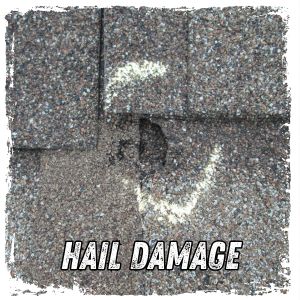
When damaging hail is in the forecast, the first thing you probably think about is protecting your car. That’s valid—after all, you can see the damage hail causes when that damage is on your car, but the damage it causes to your home isn’t always as obvious.
Size Matters, But What Else?
It’s probably obvious, but tiny, pea-sized hail won’t do as much damage to anything as pin-pong sized hail and larger. Other factors:
- Shape - Hailstones usually aren’t smooth—they sometimes have jagged edges which can make damage worse at any size.
- Wind - Heavy winds can increase the force with which hail hits your house, so smaller hail has the potential of causing more damage.
- Siding and Roofing Materials – Hail can leave dents in aluminum siding, asphalt shingles and gutters, and it can crack vinyl siding or wood shake roofs. It can even crack wood and brick.
How to Spot Damage
If your roof is made of asphalt or composition shingles, or if you have a thin-gauge metal roof, look for these signs of damage after a hailstorm:
- Divots in random patterns
- Loss of granules
- Dents or divots to roof vents, flashing and gutters
If your roof has wood shingles, look for:
- Cracks or splits in the shingles
- Bright color (indicating non-weathered wood under the wood that’s exposed)
- Divots or dents
Damage to tile and barrel tile roofs from hail looks a little different:
- Chipped, cracked or shattered tiles
- Tiles that have shifted or fallen off
- Crescent-shaped fractures around the edges
- Star-shaped fractures that radiate out from the point of a hailstone’s impact
Identifying hail damage to your siding depends on the type you have.
- Vinyl siding cracks or breaks
- Wood siding dents or chips
- Aluminum siding dents or punctures
- Brick can also crack
Are There Hail Resistant Materials for Roofs and Siding?
While no roof and siding materials are entirely hail-proof, there are some good options available.
For Roofs:
- Metal (Steel and Aluminum) – Choose a thicker gauge for greater hail resistance.
- Class 4 Impact-Resistant Shingles – These have a higher impact resistance rating than standard asphalt shingles, making them a good choice.
- Synthetic Shingles – These are made from rubber or plastic and can be made to look like wood or slate.
- Slate – Slate is heavy and can be expensive, but it is durable and hail-resistant.
For Siding:
- Metal (Steel and Aluminum) – If it’s thick enough, this type of siding can resist wind and hail.
- Hardie Board – This is fiber cement siding and known for resisting various weather conditions, including hail.
- Stucco – Stucco can stand up to hail, and if it does get damaged, it usually only needs to be patched rather than completely replaced.
- LP SmartSide – Since this is engineered wood rather than the real thing, it can survive hail up to a certain size and velocity.
Hail and Insurance
When it comes to hail damage and your home, talk to your Shelter agent before storm season arrives so you can learn about your coverage and know what to expect.
-
Ready for Storms
 What to Look For
To get the most out of your roof, inspect it twice a year so little problems don't become big ones and it’s ready for the rainy season.
-
Recovering from Storms
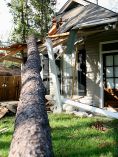 What to Do
If a storm caused major damage to your home, you may need to make some immediate repairs to mitigate further damage.
-
Aerial View of Storm Damage
 How it’s Done
Using drones to take pictures of roofs damaged by hail or wind is a much safer way for claims adjusters to review your damage.